Challenges in Fisheries Conservation and Livelihood Sustainability in Malita, Davao Occidental, Philippines
DOI:
https://doi.org/10.64656/spamastrj.v5i1.49Keywords:
coastal resource management, Ecosystem Approach to Fisheries Management, fisheries law enforcement, sustainable livelihoodsAbstract
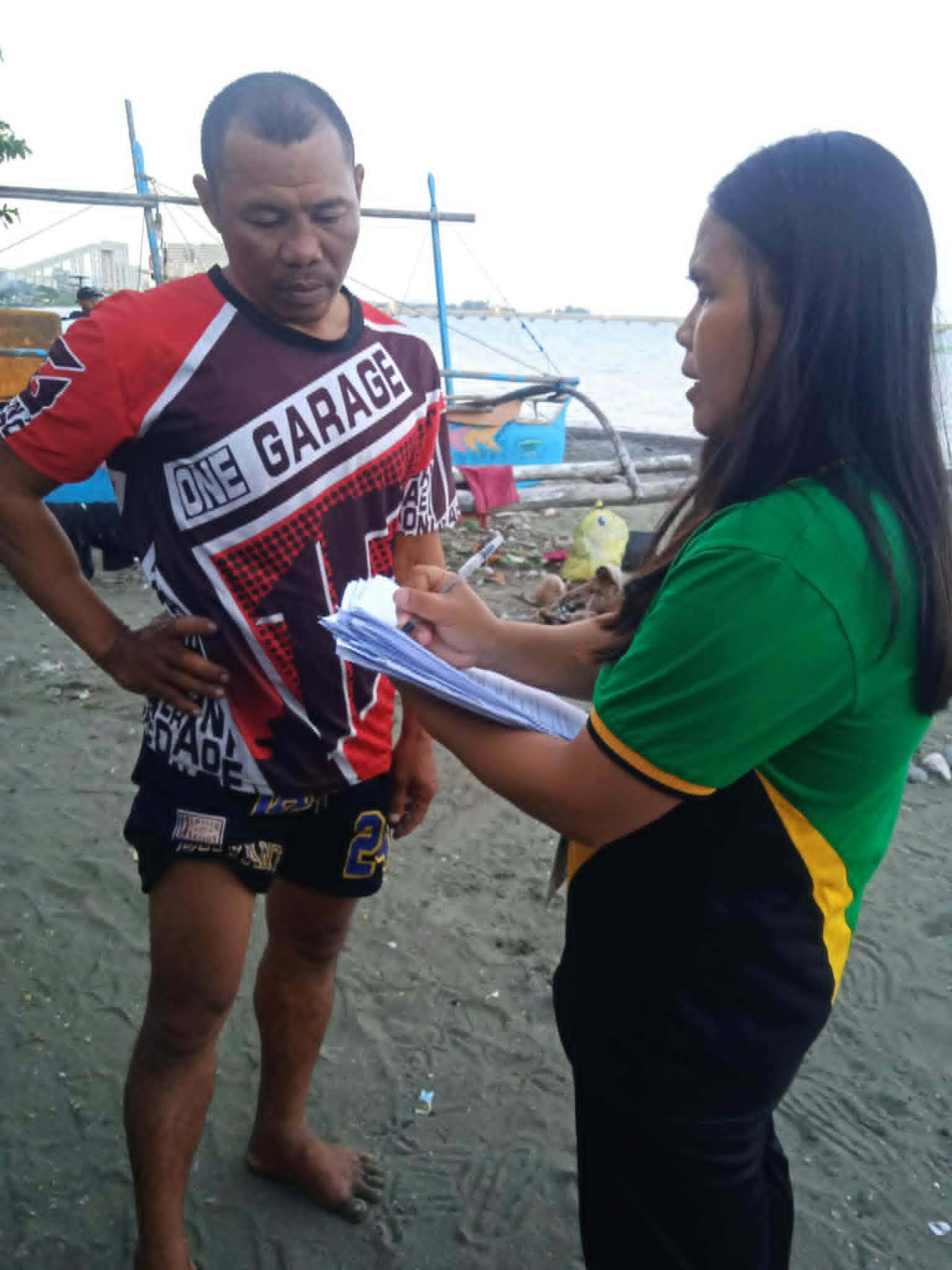
The Ecosystem Approach to Fisheries Management (EAFM) integrates ecological, social, and economic considerations to ensure sustainable fisheries. This study assessed ecosystem services and fisheries management in Malita, Davao Occidental, to support the development of an ecosystem-based fisheries management program. Specifically, it examined the socio-demographic profile of stakeholders, their roles in coastal resource protection, sustainable fishery utilization practices, livelihood opportunities, and law enforcement compliance. The study employed a descriptive research design, utilizing a structured survey questionnaire and purposive sampling across five coastal barangays. Findings revealed that the majority of respondents (61.48%) were young adults aged 21-30 years old, predominantly male (67%), college-educated (61.48%), and Bisaya/Cebuano speakers. Mangrove ecosystems were the most prevalent coastal habitat, with SPAMAST and BFAR leading conservation efforts. However, weak enforcement of fisheries laws, inadequate community awareness, and limited livelihood opportunities hindered sustainable fisheries management. While Tilanggit production emerged as a successful livelihood initiative, other projects, such as seaweed farming, remained largely unimplemented due to unsuitable environmental conditions. Compliance with key fishery laws was relatively high, with 67% of respondents affirming adherence, and 100% acknowledging the enforcement of RA 8550 (Philippine Fisheries Code of 1998) and RA 7160 (Local Government Code). Despite these efforts, gaps in enforcement, community engagement, and sustainable livelihood opportunities persist. Strengthening law enforcement, enhancing community participation, and expanding sustainable livelihood programs are essential to improving fisheries management in Malita.
Downloads
References
Bureau of Fisheries and Aquatic Resources (BFAR). (2016). Comprehensive National Fisheries Industry Development Plan (CNFIDP) Medium Term 2016-2020. Bureau of Fisheries and Aquatic Resources.
Bureau of Fisheries and Aquatic Resources (BFAR). (2018). Philippine fisheries profile 2018 (pp. 1–72). Retrieved from https://beta.bfar.da.gov.ph/wp- content/uploads/2021/05/Philippine-Fisheries-Profile-2018.pdf
Bureau of Fisheries and Aquatic Resources (BFAR). (2019). Philippine fisheries profile 2019. Retrieved from https://www.bfar.da.gov.ph/publication.jsp?id=2375#post
Downloads
Published
Issue
Section
License
Copyright (c) 2022 Christelyn F. Mangaga, John Paul R. Pacyao, Grecilda M. Limboc

This work is licensed under a Creative Commons Attribution-NonCommercial 4.0 International License.